

Chunghwa Cigarettes import questions are important because tobacco is one of the most heavily controlled product categories in cross-border shopping. A buyer may think the main issue is price or shipping speed, but cigarettes involve customs duty, excise tax, age restrictions, packaging rules, health warnings, declaration requirements, and sometimes import permits.
For adult buyers, the safest approach is simple: do not treat Chunghwa Cigarettes like ordinary consumer goods. Before ordering, buyers should check the rules in their destination country, understand whether the purchase is for personal use or commercial resale, and confirm whether the shipment can legally enter the market.
This guide explains the key compliance issues buyers should not ignore before importing Chunghwa Cigarettes.
Chunghwa Cigarettes are a well-known Chinese cigarette product, but popularity does not make international import simple. Tobacco products are controlled because governments regulate public health warnings, tobacco taxes, market authorization, consumer protection, and border security.
For buyers, compliance problems can lead to:
A buyer may legally purchase a product in one country, but that does not always mean the product can be imported into another country.
This is why buyers should check import rules before placing an order, not after the parcel arrives at customs.
Personal use usually means a buyer brings or receives a limited quantity for their own consumption. In many countries, personal allowances apply only when travelers carry goods across the border themselves.
For example, U.S. Customs and Border Protection states that customs exemptions can include not more than 200 cigarettes and 100 cigars in certain traveler contexts.
Canada also provides personal exemption guidance. For travelers who have been away for 48 hours or more, the Canada Border Services Agency lists a tobacco allowance that includes 200 cigarettes, 50 cigars, 200 grams of manufactured tobacco, and 200 tobacco sticks.
These examples show why buyers should not assume every country has the same allowance.
Commercial import is different. If a buyer imports Chunghwa Cigarettes for resale, distribution, marketplace sales, or wholesale supply, the rules are usually stricter.
Commercial import may require:
In the United States, the Alcohol and Tobacco Tax and Trade Bureau explains that federal tobacco rules cover excise taxes and permit requirements for businesses involved in importing, manufacturing, or other tobacco-related operations.
A person ordering a few cartons for personal use and a business importing cartons for resale are not treated the same way.

One of the biggest mistakes buyers make is under-declaring tobacco products or describing them as something else.
This is risky.
Tobacco should be declared accurately on customs documents. The product name, quantity, value, and product type should match the actual goods.
Incorrect declarations may cause:
For tobacco products, customs officers often care about the exact quantity, product type, and whether the duty has been paid.
Buyers should avoid descriptions such as:
These descriptions may seem small, but they can create serious customs problems.
A compliant product description should be clear, such as:
The safest rule is simple: describe the product truthfully.
Tobacco imports often carry customs duty, excise tax, VAT, GST, or other local charges. These costs can be much higher than buyers expect.
In the UK, HMRC guidance explains that Tobacco Products Duty applies if you make or import tobacco, and the page covers when duty must be paid or deferred.
In Australia, the Australian Border Force states that tobacco importers must pay relevant duties and taxes at the border, and most tobacco products are treated as prohibited imports unless the relevant conditions are met.
For buyers, this means the product price shown on a website may not be the final landed cost.
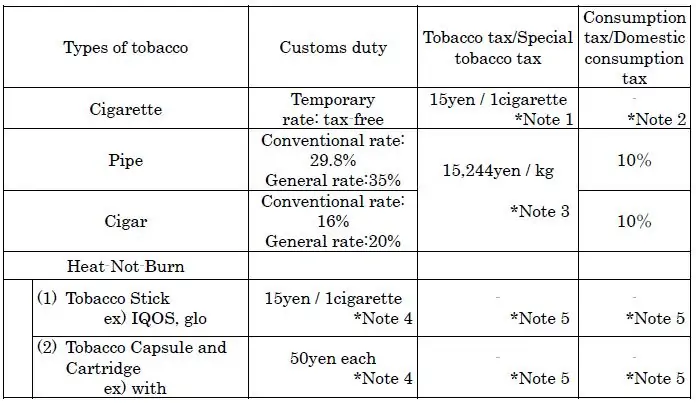
A buyer should calculate:
A cheap cigarette price may become expensive after import taxes.
For retailers, landed cost is even more important because it affects profit margin and resale pricing.
Many markets require tobacco packages to carry specific health warnings, local-language labels, or plain packaging.
In the European Union, the Tobacco Products Directive requires cigarettes, roll-your-own tobacco, and waterpipe tobacco to carry combined health warnings with a picture, text warning, and stop-smoking information, covering 65% of the front and back of the package.
This creates an important issue for imported Chunghwa Cigarettes. A pack designed for one market may not meet packaging requirements in another market.
Packaging problems can affect:
For personal buyers, packaging may still matter if the destination country restricts non-compliant tobacco imports.
For commercial buyers, packaging compliance is critical. Selling tobacco products without required local warnings can create serious legal risk.
Tobacco products are adult products. Buyers should not purchase, import, or resell Chunghwa Cigarettes to minors.
Adult-use compliance can include:
A cigarette product page or blog should avoid language such as:
Better wording includes:
This is better for trust, SEO quality, and long-term website safety.
The United States has both customs rules and tobacco regulatory rules.
CBP guidance includes traveler tobacco allowances, such as 200 cigarettes in certain exemption contexts. For commercial tobacco activity, TTB rules can involve federal excise taxes and permit requirements.
FDA also regulates tobacco products. FDA guidance says imported tobacco products are reviewed for compliance and may be refused admission if they do not meet applicable requirements.
This means U.S. buyers should distinguish between personal traveler allowance, mailed shipment rules, and commercial import rules.
Canada has personal exemption rules for travelers. CBSA lists 200 cigarettes as part of the stamped tobacco personal exemption amount when conditions are met.
CBSA also explains that unstamped tobacco can face special duty treatment. For example, cigarettes that are not stamped “DUTY PAID CANADA DROIT ACQUITTÉ” may be assessed at a special duty rate.
This is important because imported Chunghwa Cigarettes may not carry Canadian duty-paid stamps.
The UK has personal allowance rules for travelers. GOV.UK states that there are no personal allowances for tobacco or alcohol if a person is under 17, and buyers may have to pay import VAT and customs duty if they exceed the allowance.
For commercial tobacco import, UK Tobacco Products Duty rules may apply.
UK buyers should check whether their order is personal travel import, postal import, or business import.
The EU regulates tobacco presentation, manufacture, and sale through the Tobacco Products Directive. The European Commission states that the directive covers cigarettes, roll-your-own tobacco, pipe tobacco, cigars, cigarillos, smokeless tobacco, electronic cigarettes, and herbal products for smoking.
For Chunghwa Cigarettes, EU buyers should pay special attention to:
EU rules may be applied through national customs and health authorities, so requirements can differ in practical enforcement by country.
Australia is very strict on tobacco imports.
The Australian Border Force states that most tobacco products are prohibited imports, including cigarettes, molasses tobacco, heat-not-burn products, and loose-leaf tobacco.
ABF also states that a permit is needed to import cigarettes and several other tobacco products.
For Australia, buyers should be especially careful. Ordering cigarettes without checking permit and duty requirements can create a high risk of seizure or extra costs.
Chunghwa Cigarettes are widely recognized, which can attract counterfeit products. Buyers should choose suppliers carefully.
Before ordering, check:
A low price alone should not decide the purchase.
Be careful if a seller:
For tobacco products, trust and compliance matter more than speed.

Cigarette shipments can be inspected more often than ordinary parcels. Customs may check quantity, tax status, product type, and whether the destination country allows the import.
Possible outcomes include:
Buyers should not assume every courier can carry cigarettes internationally.
Before buying Chunghwa Cigarettes, buyers should ask:
These questions help avoid disputes later.
Before ordering, use this checklist:
This checklist is useful for both personal buyers and small retailers.
Possibly, but it depends on your country, quantity, shipping method, and whether tobacco imports by mail are allowed. Some countries allow limited traveler quantities, while mailed imports may be treated differently.
No. A gift label does not remove tobacco duties or import restrictions. False declaration can create customs problems.
Not always. Duty-free allowances usually apply to travelers carrying goods personally. Online orders, postal imports, and commercial shipments may follow different rules.
Commercial resale usually requires licenses, tax compliance, local packaging compliance, and other market approvals. Buyers should not resell imported tobacco without checking local business rules.
The biggest mistake is assuming that successful delivery once means the import is fully legal. Customs enforcement can vary by shipment, route, quantity, and destination.
Chunghwa Cigarettes import questions should never be ignored because cigarettes are controlled products in most countries. Buyers must think beyond price and shipping. The real issues include customs declaration, duty, excise tax, age limits, product labeling, health warnings, import permits, and resale rules.
For personal buyers, the key is to check local limits and declare products honestly. For commercial buyers, the key is to confirm licensing, tax, packaging, and market-entry rules before importing.
Chunghwa Cigarettes may be popular, but popularity does not replace compliance. A responsible buyer should confirm the destination country’s tobacco import rules, understand all costs, and avoid sellers who promise unrealistic customs outcomes.
The safest purchase is one that is transparent, legally declared, age-restricted, and fully aligned with local tobacco import requirements.
Learn More About Chunghwa Cigarettes:
Chunghwa Cigarettes Packaging Guide: Soft Pack, Hard Pack, and Presentation Differences
Chunghwa Cigarettes FAQ: Common Questions About Types, Labels, and Availability
Understanding Chunghwa Cigarettes: Brand Recognition, Packaging Clues, and FAQ


