
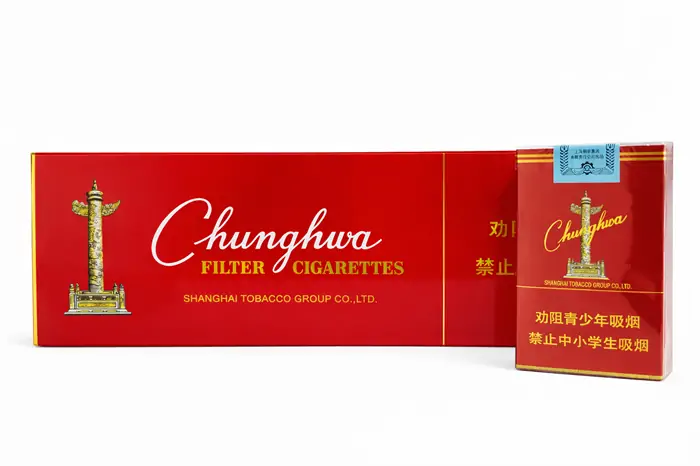
Chunghwa Cigarettes packaging guide is really a guide to format, presentation, and market context rather than a guide to “which one is better.” In travel retail and public-facing listings, Chunghwa appears in both soft pack and hard pack formats, which is why many readers want to know whether the difference is only in the box or whether the overall presentation changes as well. At the same time, any discussion of cigarette packaging should stay factual and non-promotional: tobacco use is highly addictive and is a major risk factor for cardiovascular disease, respiratory disease, and multiple cancers.
Packaging affects more than looks. For cigarettes, the pack format changes how the product travels in a pocket or bag, how much crush protection it has, how warning labels are displayed, and how the product is presented at retail. The World Health Organization’s Framework Convention on Tobacco Control requires tobacco packaging to carry health warnings, and WHO guidance recommends that those warnings cover a large portion of the pack surface. In some markets, packaging rules go even further; for example, Singapore implemented standardized packaging and enlarged graphic health warnings for all tobacco products from July 2020.
That means two packs of the same cigarette brand may not look identical across countries or retail channels. A pack seen in duty-free, a pack sold in a domestic market, and a pack sold in a market with standardized packaging rules can differ visibly even when the brand name is the same. For readers, that makes packaging a useful subject for identification and comparison, but not a perfect shortcut to product quality or origin.
Chunghwa is closely associated with Shanghai Tobacco in public retail references. Travel-retail listings group Chunghwa under Shanghai Tobacco, and both soft-pack and hard-pack versions appear in airport duty-free channels. That is one reason packaging discussions around Chunghwa are so common: the brand is not just a cigarette name, but also a recognizable packaging format that appears in multiple retail settings.
Because Chunghwa appears in more than one pack style, readers often assume that pack type must signal a major product difference. Sometimes it may indicate a different retail line or presentation choice; however, pack style alone should not be treated as proof of freshness, authenticity, or objective superiority. Packaging tells you something important, but not everything.
At the simplest level, a soft pack uses a more flexible outer wrap, while a hard pack uses a rigid paperboard shell. In practical terms, that means hard packs generally offer better crush resistance in a pocket or bag, while soft packs feel more compressible and often look more traditional in hand. Chinese-language consumer discussions about Chunghwa commonly describe this packaging difference as the most direct visual distinction between the two formats.
This does not automatically mean that one format is objectively “better.” It means the two styles create different user experiences in storage, carrying, and retail display. A rigid hard pack usually holds its rectangular shape more consistently, while a soft pack tends to show edge wear, pressure marks, or folding more easily over time. From a packaging-analysis standpoint, that is the most useful starting point.
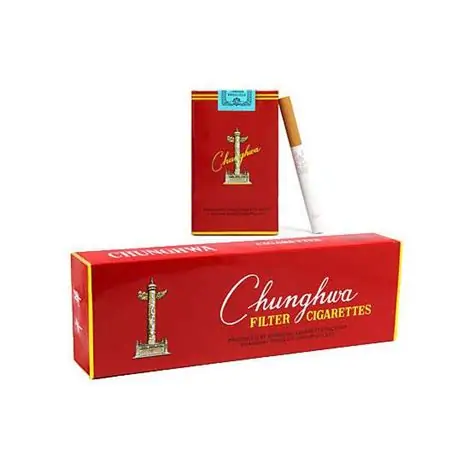
A soft pack often reads as more classic, more flexible, and sometimes more delicate. In travel-retail channels, Chunghwa Soft Pack appears as a named product line, which confirms that the format is treated as a separate presentation category rather than an accidental packaging variation. Because the outer wrap is not protected by a full rigid shell, the visual condition of a soft pack can change faster during handling, especially at corners and top edges.
In article writing, the most objective way to describe a soft pack is not to romanticize it, but to note its physical behavior. It is usually easier to compress, more sensitive to storage conditions, and more likely to show handling wear. That makes it visually distinctive even before a reader looks at finer design details.
A hard pack usually reads as more structured, more formal, and more protective. Public duty-free listings also identify Chunghwa Hard Pack as its own format, which shows that the hard-box presentation is clearly recognized in the market. Because the box walls are more rigid, a hard pack typically keeps straighter edges and cleaner front-facing display after normal carrying.
From a packaging perspective, that matters because presentation is not only about branding graphics. It is also about how well the pack preserves its shape from shelf to hand to pocket. A hard pack generally performs better on that point, which is one reason hard-box formats are often seen as more stable for travel, display, and repeated handling.
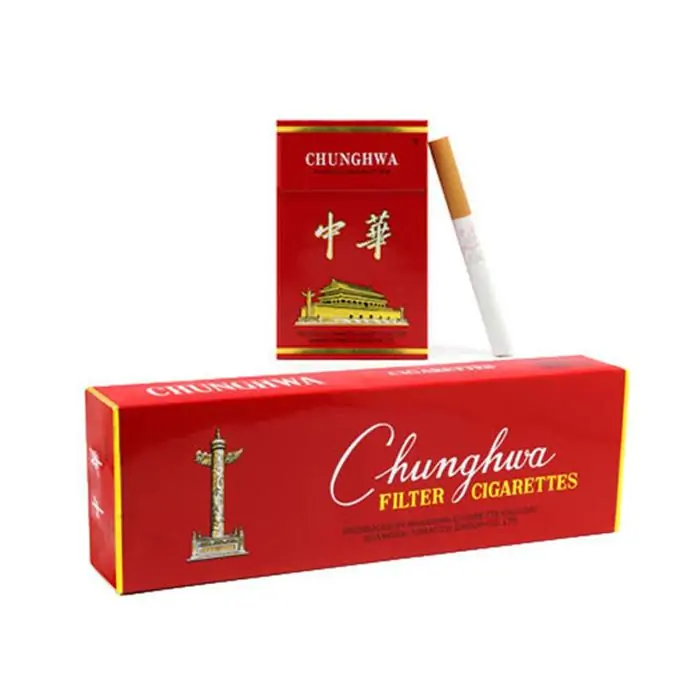
The single-pack difference is easy to understand, but presentation differences also show up at the carton level. Retail and duty-free environments often separate soft pack and hard pack into clearly labeled lines, and some channels publish distinct product codes, price listings, or nicotine and tar disclosures for each. That tells readers that presentation is not just a surface issue; it is part of how the product is categorized in commerce.
Soft-pack presentation often feels more dependent on careful storage because the outer pack can reflect handling more quickly. Hard-pack presentation is usually more consistent in stacked retail settings because the box shape stays neater under pressure. In plain terms, the format affects how the product looks not only when new, but also after transport, shelf time, and customer handling.
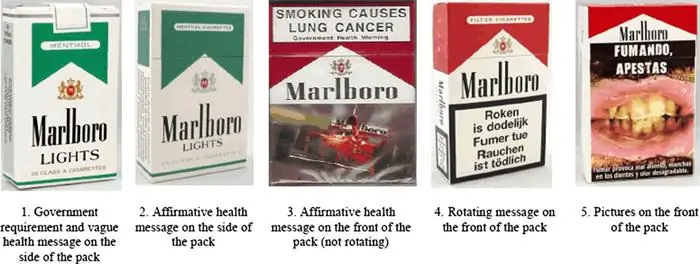
Packaging can tell you several useful things: whether the product is sold as a soft-pack or hard-pack line, whether the market requires large warnings, whether the retailer is using duty-free labeling, and whether the pack appears physically damaged or poorly stored. These are visible, practical observations. WHO packaging guidance and country laws make clear that warning size and presentation can differ by jurisdiction, so readers should avoid assuming that one warning layout is universal everywhere.
What packaging cannot do on its own is prove every claim a buyer may want answered. A pack style by itself does not reliably prove a different blend, a different smoking experience, or a different freshness level. It also does not replace lawful retail documentation, import compliance, or official health warnings. A careful article should therefore focus on what is visible and verifiable rather than turning packaging into an unsupported quality ranking.
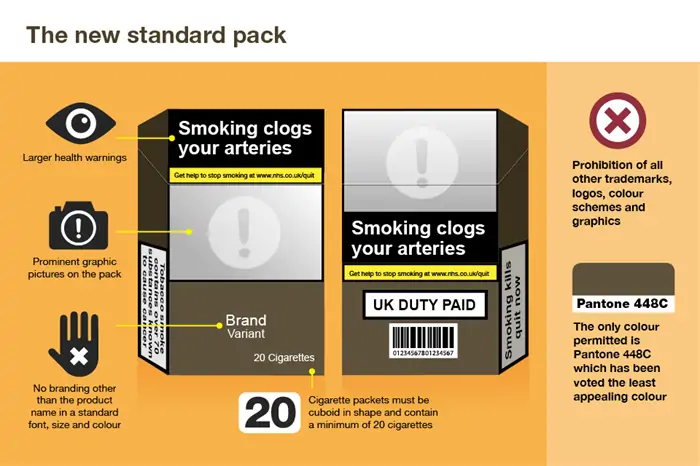
One of the biggest sources of confusion is that tobacco packaging is shaped heavily by regulation. WHO guidance under Article 11 of the FCTC recommends large warnings, and many countries require rotating text or pictorial labels. Some governments also require standardized packaging rules that reduce the role of brand colors and pack styling. Singapore is a clear example: from 2020, all tobacco products sold there have been subject to standardized packaging and enlarged graphic health warnings.
This matters for Chunghwa packaging discussions because a reader may compare photos from different channels and think the product has changed dramatically when the main difference is actually regulatory presentation. A duty-free listing may show one style, a domestic-market pack may show another, and a market with standardized packaging rules may suppress much of the original branding language altogether.
There are also import-law issues that can affect packaging expectations. For example, one duty-free listing for Chunghwa Soft Pack specifically notes that Singapore customs prohibit bringing in cigarettes. That kind of note is important because packaging and legality intersect in travel retail more often than casual readers realize.
If the goal is a neutral comparison, readers should look at five things.
Start with the obvious question: is the pack flexible or rigid? This determines how well it resists pressure and how quickly it shows edge wear.
Check whether the warning area, text language, and front/back presentation match the market where the pack is being sold. Packaging law is not universal.
Look for duty-free product codes, importer notes, and retailer labeling. Soft pack and hard pack are often listed separately in travel retail.
A soft pack is more likely to show folding, compression, or top-edge wear. A hard pack is more likely to preserve its display shape. That does not prove product quality, but it does affect visual presentation.
Tax marks, health warnings, importer stickers, and travel-retail restrictions all matter. These are more useful than trying to draw broad conclusions from pack style alone.
Not necessarily. Soft pack often feels more traditional as a packaging style, but that does not mean every soft-pack listing represents an older product generation. In public retail channels, soft pack is simply one recognized format.
In ordinary handling terms, yes, a rigid box generally protects against crushing better than a flexible pack. But better protection does not automatically answer every other question about storage history or market origin.
No. Photos can help identify format and visible presentation differences, but they do not replace legal-market checks, warning-label context, or general public-health realities about tobacco. WHO states clearly that tobacco is harmful to health and highly addictive, so packaging analysis should never ignore that basic fact.
A useful Chunghwa Cigarettes packaging guide should help readers separate three different issues: pack format, presentation, and regulatory context. Soft pack and hard pack are real, visible categories in public retail listings, and each creates a different physical and visual impression. Hard pack usually offers more structure and crush resistance. Soft pack usually feels more flexible and shows handling wear faster. Those are packaging differences worth understanding.
At the same time, packaging should not be treated as the whole story. Warning labels, import rules, standardized-packaging laws, and health risks all shape how cigarette packs appear in the real world. The most objective approach is to treat packaging as a visible format clue, not as a shortcut to unsupported claims. And any factual discussion should end where public-health guidance begins: tobacco is addictive and harmful, so packaging analysis should stay informational rather than promotional.
More Guides:
Chunghwa Cigarettes FAQ: Common Questions About Types, Labels, and Availability
Understanding Chunghwa Cigarettes: Brand Recognition, Packaging Clues, and FAQ
How to Store Chunghwa Cigarettes in Bulk: Carton Protection, Temperature, and Handling
Chunghwa Cigarettes Bulk Orders: MOQ, Packaging, and Supplier Checks Explained


